Over the last week or two many reports of disease in wild adult salmon populations have been reported. These reports have been widespread ranging from Scotland to Scandinavian. The common factor is death through fungal infection (Saprolegnia). Nothing new there you may say but the difference this year is the focus of the fungal infection along the underside of the fish. There is evidence from northern Scottish rivers that the fungal infection is preceded by what looks like a rash on the underside of the fish with associated haemorrhaging. In the rivers with the worst incidences there have been large losses from fungal infection, whilst in others there is no fungal infection, yet.
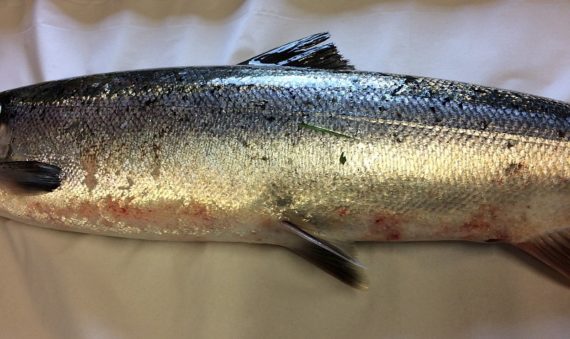
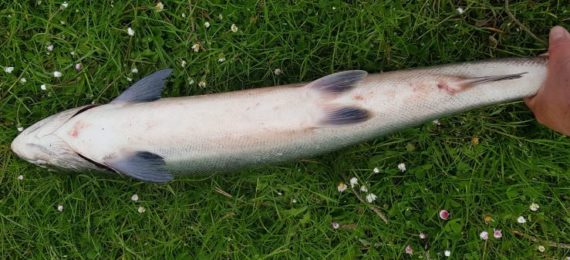
Fresh run salmon appear to be entering rivers carrying rash like marks on their underside, leaving them susceptible to fungal infection. If fish with this skin damage become infected with fungus death occurs quickly. It also looks as if only the recent arrivals have been affected with the no sign of it in the older fish.
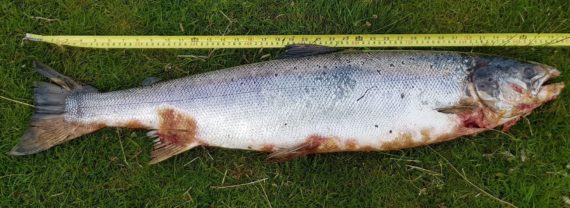
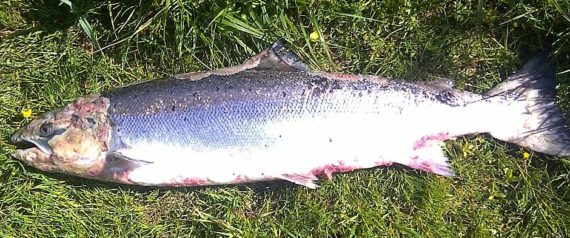
To lose some of the spring stock to fungus is not unusual in the Spey, especially the May fish, which always seem the most susceptible. However, affected fish normally have patches of fungus on the head, gills, back and fins, as in the example below.
Fishery managers in the northern rivers, which seem to be the worst affected at present, have been admirably open about the situation and proactive with sampling and analysis. Indeed I have just heard that the Marine Lab Fish Health Inspectors have returned negative results for the viral and histology samples from Helmsdale fish. The Helmsdale managers are also organising for infected fish to be sampled to assess Thiamine levels. There are various reports of Thiamine deficiency affecting ecosystems, in the Baltic for example. A link between the disease outbreak in 2019 with Thiamine deficiency has yet to be established.
So far there have been no affected fish reported from the Spey but that may change. Those who have experienced this disease in the last few weeks are understandably worried. We hope that this will turn out to be a temporary problem which will clear up as the summer progresses. In the past, a summer spate, as we have seen on the Spey in the last two weeks, usually clears up fungal problems very quickly, with no recurrence again until the autumn. In the meantime we are asking ghillies and anglers to photograph fish with unusual marks on the belly. Fish health inspectors will be called if required.
If anyone wishes further information, or to discuss, please do not hesitate to call the Spey Fishery Board office.