On Monday and Tuesday this week we completed all but two of the River Dulnain mainstem surveys. The remaining sites are in the upper reaches and each site entails a long drive in, these will be done as soon as an opportunity arises. Conditions were ideal, the river rose a couple inches at the weekend and the temperatures had cooled considerably from the recent highs.
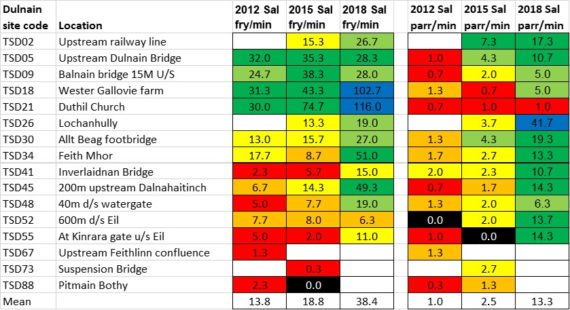
The overall results were excellent with the fry counts almost double those recorded in 2015. The parr counts were much higher than in 2015, although those figures would have been affected by the ex-Hurricane Bertha spate (remember this https://www.youtube.com/watch?v=yWS6ghvapuA )
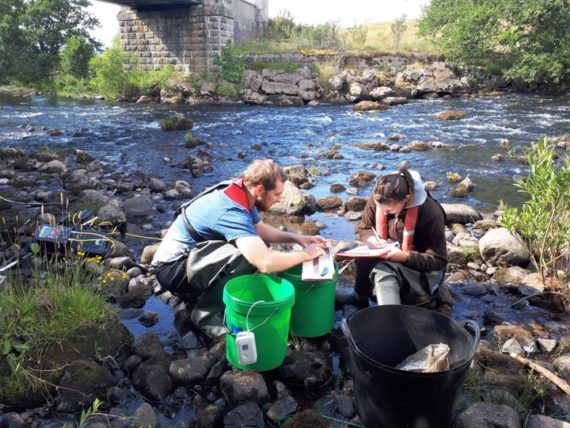
We recorded considerable variation in the size distribution from site to site. The size distribution graphs from a selection of the sites are shown below (ordered in an upstream direction). The horizontal scale gives fish size in mm but note that the vertical scale varies according to the numbers present at each site. Bear in mind that these surveys consist of a standard 3 minute survey using a banner net to capture the fish. This methodology has been consistent since 2012.
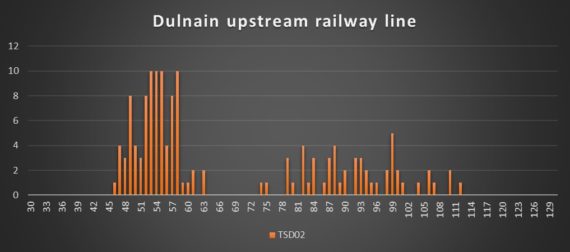
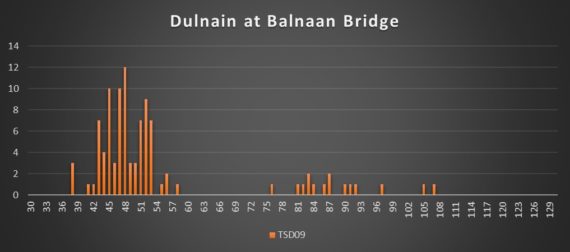
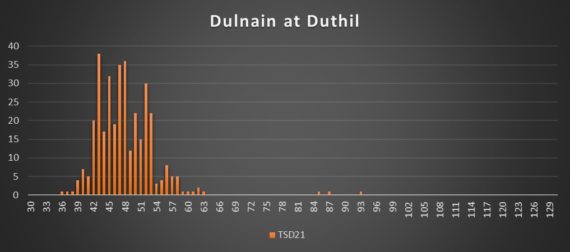
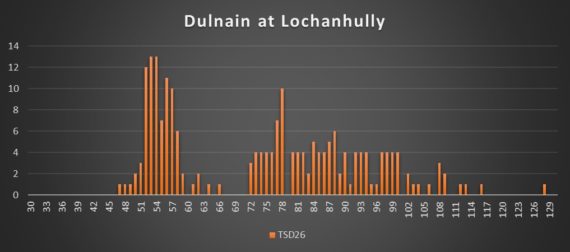
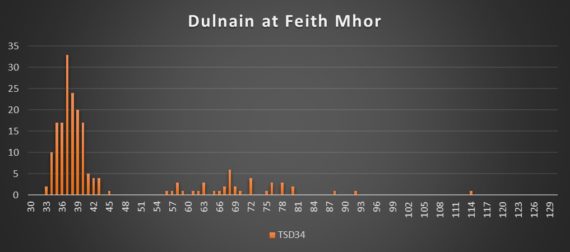
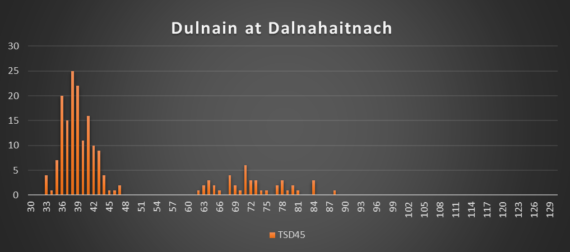
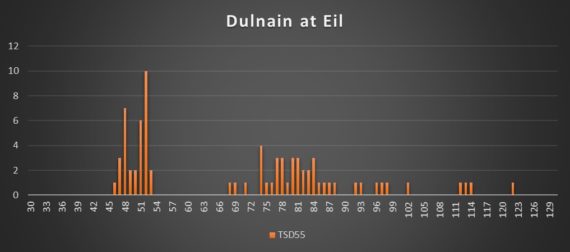
Fry size varied a lot, and not always smaller with increasing altitude. Competition also has a big influence in this regard with the average size at the Duthil site (348 fry) being smaller than those at the Lochanhully site (85 fry). Upstream of Carrbridge the average size dropped e.g. at Feith Mhor and Dalnahaitnach. I suspect the enrichment entering the river at Carrbridge is an important factor in the increased average size, and biomass, of the juvenile stock.
The only other tributary location when the fry counts have entered the blue zone (more than 100 per minute) was in the Fiddich (in 2014 and 2017). The Dulnain, however, stands alone for a parr count in the blue zone (more than 100 in the three minute survey). The 125 parr caught in three minutes at the Lochanhully site was exceptional, the best we have recorded in the Spey catchment. Only once before have more than 100 parr been captured in one of these surveys; that was in the Spey at Aberlour in 2014. All the 2018 sites are being recorded on Gopro so check this link for an edited video of the survey Lochanhully.
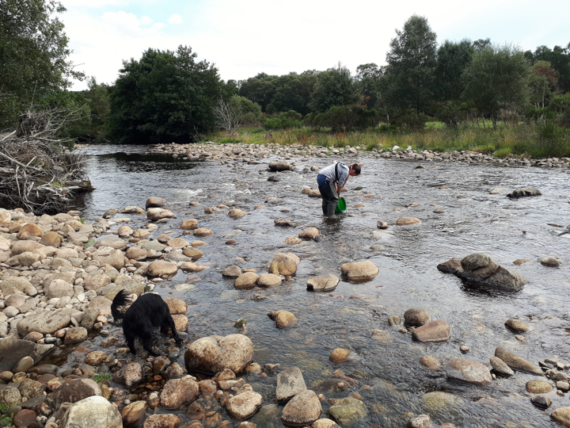
Numbers are not everything when it comes to parr however. It is considered that a parr needs to be 90mm in lenght at the end of the summer to smolt the following year. From the size distributions I can see that at the lower site TSD02 90% of the 52 parr present will be large enough to smolt in 2019 (if they survive), only 16% at the Dalnahaitnach site are likely to make that threshold. This is a good thing as it spreads the smolt output from the strong 2017 cohort over more than one year.
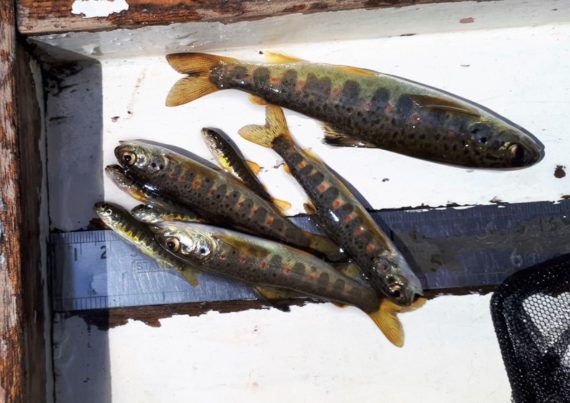
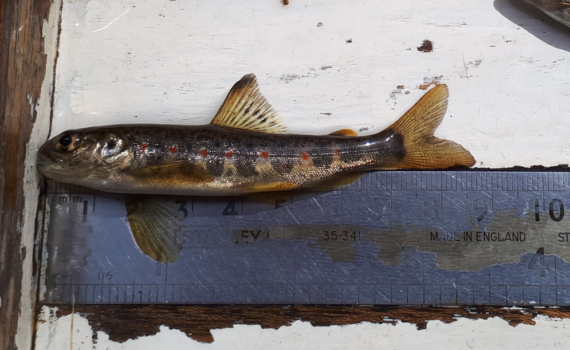
The low water experienced in 2018 will inevitably result in some contraction of the juvenile stock in 2018, and this will need to be factored in, but perhaps not that significantly in the Dulnain. Water levels has increased from what I would call very low to low before most of these surveys were completed. The levels did not appear too dissimilar to other low water years in the Dulnain. We also watch river temperatures closely (they are measured at each site in advance) and we do not survey if the temperature is above 20oC. Consequently we did no surveying last Thursday and Friday at all due to the high temperatures forecast.
We plan to do the same style surveys for the Nethy and Druie tomorrow, it will be interesting to see if the Dulnain high counts are repeated. Most of the Spey mainstem surveys have already been completed, but not all. These results will be published once the surveys have all been completed.
All in all these results are very encouraging.